According to the Press Information Bureau, 1,51,113 real estate projects had been registered under RERA across India, as reported in August 2025. This highlights the scale of the regulatory framework introduced to improve transparency, accountability, and homebuyer protection in the real estate sector.
The Real Estate (Regulation and Development) Act, 2016, commonly known as RERA, requires eligible real estate projects to be registered with the relevant state or union territory authority before promoters undertake activities covered by the Act. Buyers can use official registration records to examine project details, declared completion timelines, and other available information.
So, how can you check whether a property is RERA registered before investing your hard-earned money?
The process involves more than asking the builder for a registration number. You need to find the correct project record, verify the promoter’s details, check the registration status, and compare the information with the documents provided by the seller. You should also examine the property’s title, sanctioned plans, and applicable approvals.
Whether you are purchasing an apartment, a residential plot, or an under-construction home, this guide explains how to check RERA approval for a property, what details to verify, and how to approach property verification for projects marketed by SSR Infratech.
What Is RERA and Why Does RERA Registration Matter?
RERA stands for the Real Estate (Regulation and Development) Act, 2016. It establishes a regulatory framework for eligible real estate projects and agents, with the objective of improving transparency and protecting homebuyers against certain unfair practices.
Under Section 3 of the Act, promoters generally need to register eligible projects with the relevant authority before advertising, marketing, booking, or selling them. However, certain projects may be exempt, subject to the statutory conditions and applicable rules.
RERA registration matters because it gives buyers access to prescribed project information and creates obligations for registered promoters.
Depending on the state portal and project, you may be able to check:
- The project’s registration number and registered promoter.
- The project address, land details, and development plans.
- The declared completion date and approved extensions.
- Available details about statutory approvals and construction progress.
- Information about complaints, regulatory orders, or registration status changes, where published.
For example, if a builder promises possession in December 2028, you can check the project’s declared completion timeline on the relevant RERA portal and ask for clarification if the information differs.
However, remember that RERA registration does not guarantee clear land ownership, flawless construction, or possession on the promised date. Those aspects require additional checks.
How to Check RERA Registration for a Property
Checking a property’s RERA registration is an important step before paying a booking amount or signing an agreement. By following a few simple steps, you can verify the project’s official details, confirm its registration status, and identify discrepancies before making a property purchase.
Step 1: Find the Project’s RERA Registration Number
Start by asking the developer or seller for the project’s RERA registration number.
The number may appear on the developer’s website, property brochure, advertisement, or booking documents. Compare it with the details of the exact development you intend to purchase.
For instance, if you are interested in an apartment in a large residential township, ask whether the number applies to the entire development or a specific phase or tower.
If the builder cannot provide the number, request a written explanation and establish whether the project falls within an applicable registration exemption before making any payment.
Step 2: Visit the Official RERA Website
Visit the official RERA portal for the state or union territory where the property is located.
India has state and union territory authorities rather than one universal project-registration portal for every property. For example, buyers can check projects through the Punjab RERA website or the Haryana RERA website, depending on the property’s location.
Use the regulator’s official website rather than relying exclusively on property-listing websites, screenshots, or information shared by a sales representative.
Step 3: Search for the Project
Look for a section such as Registered Projects, Project Search, or Search Project Details. The available search fields differ between state portals, but they commonly include the project name, promoter name, or registration number.
Enter the complete registration number first. If no result appears, try searching with the exact project name or the promoter’s registered legal name.
For example, a project advertised as Green Valley Residency might be listed under a longer registered name. Search variations can help you find the correct record, but you must still confirm the address and promoter details.
Step 4: Match the Project Details
Once you locate the project, compare its official details with the information provided by the developer.
Check the registered project name, promoter’s legal name, address, district, land particulars, and phase or tower details, wherever available.
Consider this example: a developer is selling apartments in Tower C, but the registration number provided belongs to an earlier phase containing Towers A and B. The registration of one phase does not automatically establish that another phase is covered.
Ask the sales team to identify the exact registration applicable to your apartment or plot.
Step 5: Check the Registration Status and Validity
Next, review the project’s current status, registration period, and declared completion date.
Look for recorded extensions, changes in status, and cancellation or revocation orders, where available. Compare the declared completion date with the possession date promised in the sales presentation.
Suppose the developer promises possession in June 2028, but the portal displays December 2029 as the declared completion date. Ask why the dates differ and request supporting documentation.
The discrepancy may relate to an approved extension or outdated marketing information, but it should be resolved before you commit your money.
Step 6: Review the Promoter and Project Information
Do not stop after finding a registration certificate. Review other available project information, including development progress, sanctioned plans, approvals, and relevant regulatory orders.
Where quarterly progress updates are required and published, check whether the latest information is available. If the portal indicates substantial construction progress but the site appears significantly behind, ask the developer for an explanation.
This step helps you assess the consistency of the project’s declared information and identify questions that require further investigation.
How to Verify a RERA Number
To understand how to verify a RERA number, enter it into the official portal and confirm that the result corresponds to the project being marketed.
Follow these checks:
- Enter the complete registration number without changing its format.
- Confirm that a matching project record appears.
- Check the promoter’s legal name and project address.
- Verify the relevant phase, tower, or development.
- Review the current status, completion timeline, and available updates.
If the number does not return a result, check for typing errors and try searching by the promoter’s name. If the information still cannot be verified, contact the relevant authority or consult a property lawyer.
A registration number printed on a brochure is not enough. The official record must match the property you intend to purchase.
What Details Should You Check on the RERA Website?
Focus on the information that can affect your purchase decision.
Detail | What to verify |
Registration number | Whether it matches the official project record |
Promoter name | Whether the registered entity matches the seller’s information |
Project location | Whether the registered address matches the site |
Project phase | Whether your specific phase or tower is covered |
Completion date | Whether it matches the promised possession timeline |
Registration status | Whether the record shows relevant changes, extensions, or revocation |
Approvals and plans | Which documents and permissions are available? |
Construction progress | Whether reported progress is consistent with other information |
Complaints and orders | Whether relevant regulatory proceedings are published |
Not every state portal provides the same information. If a document is missing or unclear, request it from the developer and verify it independently where possible.
What If You Cannot Find the Property on the RERA Portal?
A missing search result does not automatically mean that a project is fraudulent. The registration number could be incorrect, the project may be listed under another name, or the website may be experiencing a technical issue. The project may also qualify for an exemption under Section 3(2) of the Act.
For example, the central Act generally exempts projects where the land proposed to be developed does not exceed 500 square meters or the number of apartments does not exceed eight, inclusive of all phases, subject to the statutory provisions and applicable rules.
If you cannot locate a project, recheck the number, search by promoter name, confirm the correct state portal, and ask the developer for written clarification. If registration is claimed to be unnecessary, establish the applicable legal basis rather than relying solely on a verbal explanation.
Do not proceed with a booking until material questions about registration have been resolved.
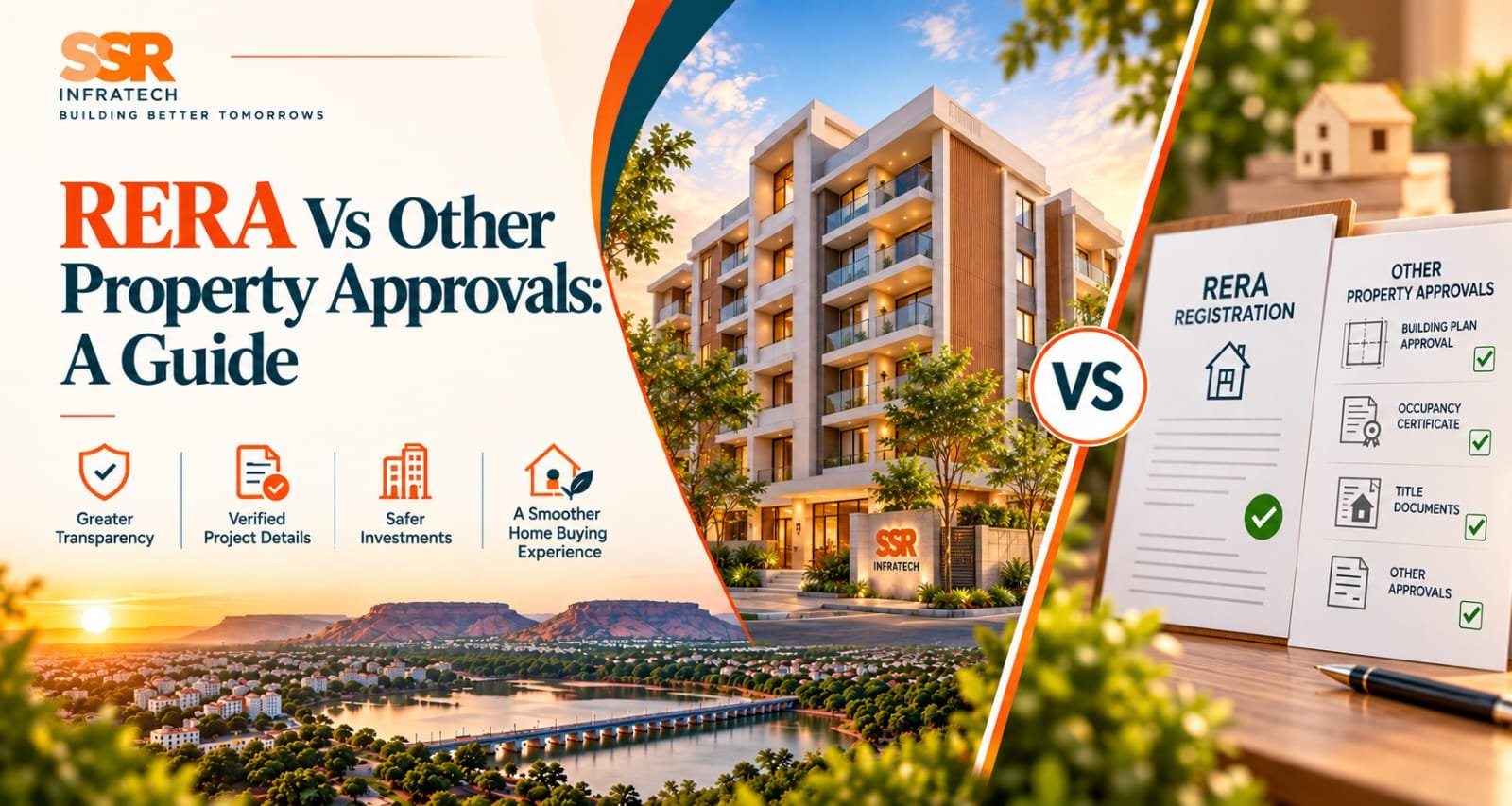
RERA Registration vs Property Approval: What’s the Difference?
RERA registration and property approvals are different, and understanding the distinction can prevent costly misunderstandings.
RERA registration relates to registering an eligible project with the real estate regulator and complying with the applicable disclosure and promoter obligations.
Property approvals relate to permissions required for the development, construction, and use of the property. Depending on the location and project, these may include sanctioned building plans, land-use permissions, development licenses, and environmental or fire-related clearances where applicable.
For example, a project may appear on the RERA portal, but you may still need to investigate questions about its sanctioned building plan or land title. Registration does not eliminate those checks.
Similarly, a municipal approval does not automatically establish that the project has fulfilled its RERA registration requirements.
Documents to Check Before Buying a RERA-Registered Property
Ask the developer for the documents relevant to your property and the stage of construction.
- RERA registration certificate: Confirms the registered project’s identifying details.
- Title documents: Help establish ownership of the land and the seller’s right to transfer the property.
- Encumbrance information: Helps identify registered mortgages, charges or other interests affecting the property.
- Sanctioned building plans: Show the plans approved by the competent authority.
- Land-use and development permissions: Help establish whether the land can be used for the proposed development.
- Construction permissions: Confirm the applicable permissions to begin construction.
- Agreement for sale: Sets out payment obligations, possession terms, and contractual commitments.
- Payment receipts: Provide a record of amounts paid.
- Completion or occupancy certificate: Where applicable, provides documentation relevant to completion and lawful occupation.
- Possession documents: Clarify the handover terms and outstanding obligations.
The documents required vary according to the property, state, and transaction. Have a qualified property lawyer review the title, agreement and other important documents before signing.
Common Mistakes Buyers Make When Checking RERA
Checking Only the RERA Number
A number alone does not establish that the registration covers the property you want to buy. Check the official project record and supporting documents.
Not Matching the Project Location
Projects with similar names can exist in different localities. Match the full address, land details, and phase before relying on a registration.
Assuming RERA Registration Guarantees Everything
RERA registration does not guarantee timely possession, construction quality, or the absence of legal disputes. Independent checks remain essential.
Relying Only on Marketing Materials
Brochures and sales presentations may contain outdated information. Compare advertised claims with official records and contractual documents.
Not Checking Updated Project Information
Registration details and completion timelines may change. Review the latest available status, extensions, and regulatory orders before booking.
RERA Property Verification Checklist Before Booking
Before paying the booking amount, confirm that you have:
- Obtained the registration number or verified the stated exemption.
- Searched the correct state RERA portal.
- Matched the project name, promoter, address and phase.
- Checked the current registration status and completion date.
- Reviewed available construction updates and relevant regulatory orders.
- Requested the title documents and checked ownership and encumbrances.
- Reviewed sanctioned plans and applicable permissions.
- Read the agreement for sale and payment schedule.
- Understood the possession terms and relevant completion documentation.
- Kept copies of the documents and payment receipts.
If any important detail remains unclear, resolve it before proceeding.
How to Check RERA Details for SSR Infratech Projects
If you are considering a property marketed by SSR Infratech, use the same verification process you would apply to any developer. The most important step is to verify the specific project and its registered promoter rather than assuming that every development associated with a company name has the same registration.
Start by asking the sales team for the project’s exact legal name, RERA registration number, location, and phase. Visit the official RERA portal for the state where the property is situated and search using these details.
Once you locate a matching record, check whether the registration covers the particular apartment, tower, or plot being offered. Review the declared completion date, registration status, and available project documents.
For example, if you have been promised possession by March 2028, compare that commitment with the project’s declared completion timeline on the portal. If the dates differ, request written clarification and supporting documentation.
You should also request the title documents, sanctioned plans, applicable approvals, and draft agreement for sale. If the promoter’s registered legal name differs from the name used in marketing, ask the team to clarify the relationship between the entities.
The registration status of an SSR Infratech project should be established through official records, not assumed from the brand name alone. Verify the documents independently and seek professional advice if you identify any material discrepancy.
Final Thoughts
Buying a property involves a substantial financial commitment, so take time to confirm the facts before signing an agreement or paying a booking amount.
A careful RERA property verification process helps you make a better-informed decision, understand the developer’s declared commitments, and identify potential concerns before they become expensive problems.
If you are exploring properties by SSR Infratech, take the next step by requesting the specific project’s RERA registration details, declared completion timeline, and relevant property documents.
Connect with SSR Infratech to inquire about available properties, request project information, and understand the documentation for the development you are considering. Compare the information provided with official records, ask questions about anything that is unclear, and seek independent legal advice before committing your money.
Whether you are buying your first home or evaluating a property for investment, start with the facts, verify the details, and make a decision that fits your needs and budget.
Frequently Asked Questions
1. How can I check if a property is RERA registered?
Visit the official RERA portal for the property’s state. Search using the registration number, project name, or promoter name, then match the official details with the property documents.
2. How can I check a RERA registration number?
Enter the complete number in the portal’s project-search section. Confirm that the result matches the project’s legal name, promoter, location, and registration status.
3. Where can I verify RERA project details?
Use the official website of the relevant state or union territory RERA authority. Avoid relying exclusively on third-party property websites or screenshots supplied by the seller.
4. Is a RERA registration number enough to verify a property?
No. You must check whether the registration applies to the exact project and phase, then review its status, completion timeline, and other available information. Verify title documents and approvals separately.
5. What should I check on the RERA website before buying?
Check the registration number, promoter, address, phase, completion date, registration status, available approvals, construction updates, and relevant regulatory orders where published.
6. What if I cannot find a project on the RERA portal?
Check the number and spelling, search by promoter name, and confirm the correct state portal. Ask the developer for written clarification and verify whether a statutory exemption applies.
7. Does RERA registration mean the property is completely safe to buy?
No. RERA registration improves transparency and provides important regulatory protections, but it does not guarantee clear title, construction quality, or timely possession. Legal and technical due diligence remains necessary.
8. Should I verify other property documents apart from RERA registration?
Yes. Review title documents, encumbrance information, sanctioned plans, applicable permissions, the agreement for sale and completion, or occupancy documentation, as relevant to the transaction.